








Build a design system that scales with your SaaS brand
New pages launch faster once your components already exist. Productive Shop creates your design system end-to-end. Every new page matches the last, no matter which team builds it.
Trusted by SaaS leaders to keep every design consistent


A design system that gets every new page live faster
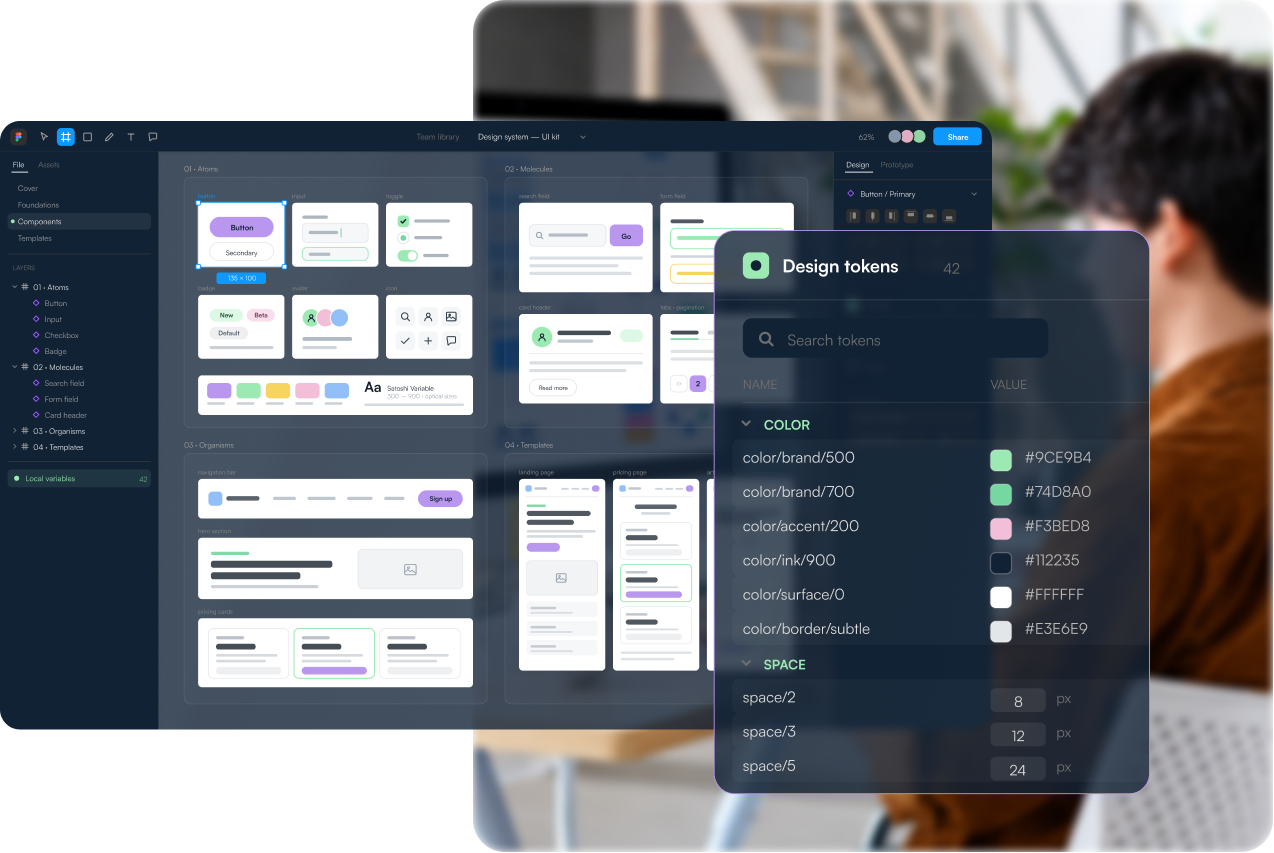
A design system gives your SaaS product a shared set of tokens, components and templates every new page builds from, so nothing starts from a blank screen.
A B2B SaaS design system agency for data-heavy products
We’ve built design systems for complex B2B SaaS products: dashboards, data tables and multi-step workflows. Yours stays consistent even on the hardest screens.
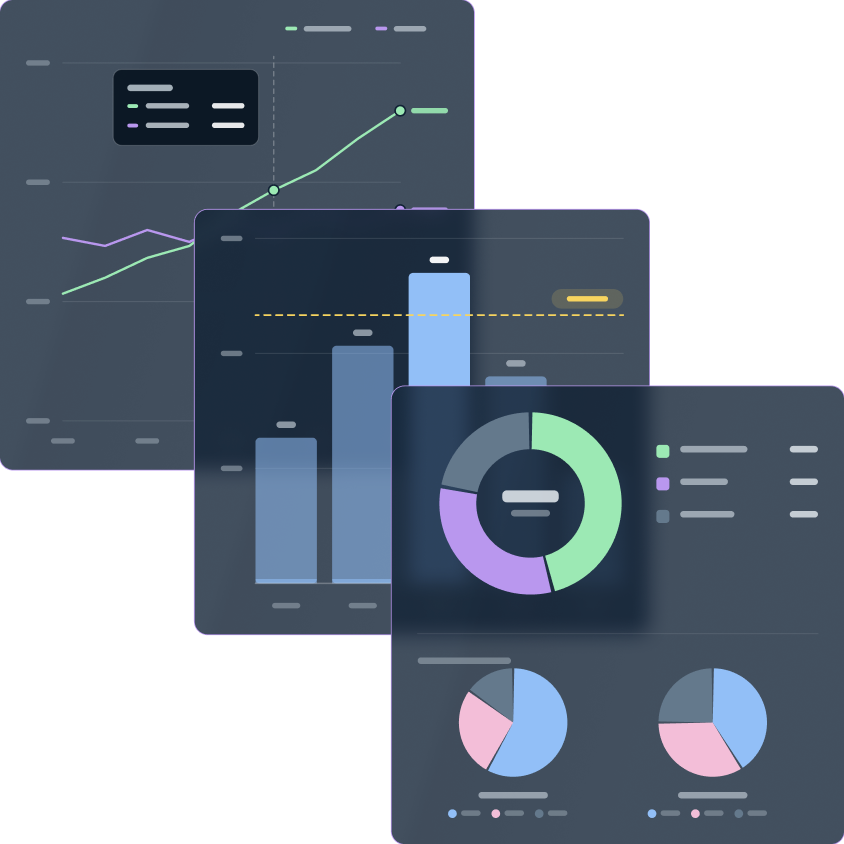
COVERAGE
Every component
Live, in build or drifted, tracked in real time
SPEED
Under 2 weeks
Your first components are ready to launch
EFFICIENCY
50% less time
Managing content once components are reusable, not rebuilt
CONSISTENCY
93% increase
In accessibility and UX, with the system in place
VISIBILITY

Every engagement runs inside our marketing operating system, visible to your team throughout.
What SaaS leaders say about getting their brand right

“Working with Productive Shop transformed not just our website, but our entire approach to digital brand management. What started as a Drupal redesign became a comprehensive solution addressing complicated challenges.”

“Productive Shop did an outstanding job rebuilding our website within three months. They listened to our needs and developed a custom solution that matched our brand identity perfectly.”
-
SaaS cybersecurity
Brinqa: A custom rebuild live in 3 months, not 12
-
Website Design
-
Website Development
-
Technical Support
-
Content Writing
90%+
increase in mobile page experience
100%
desktop page experience
3
months from kickoff to launch

-
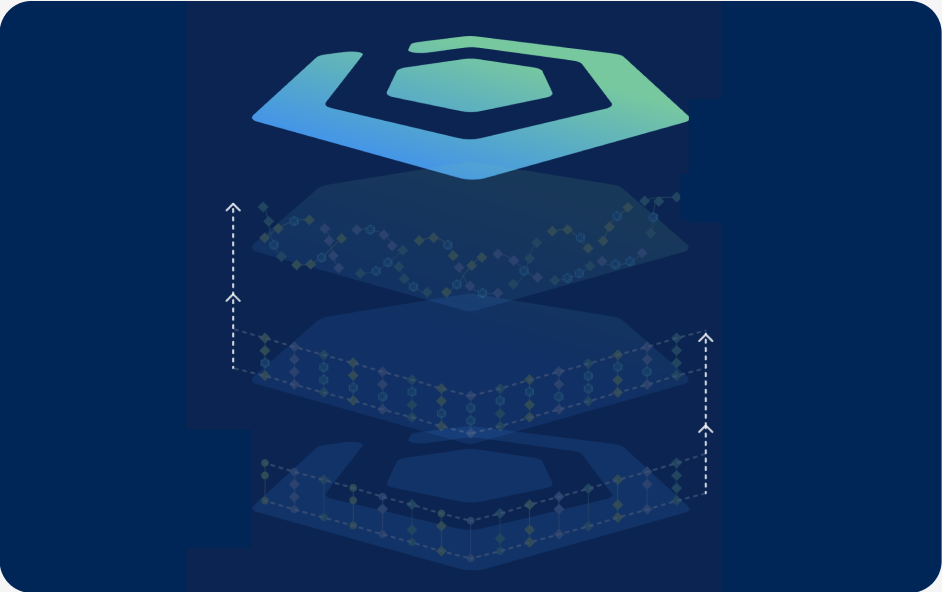
Tools we design, assemble and document your system in


Design system services that cover every layer, from tokens to documentation
-
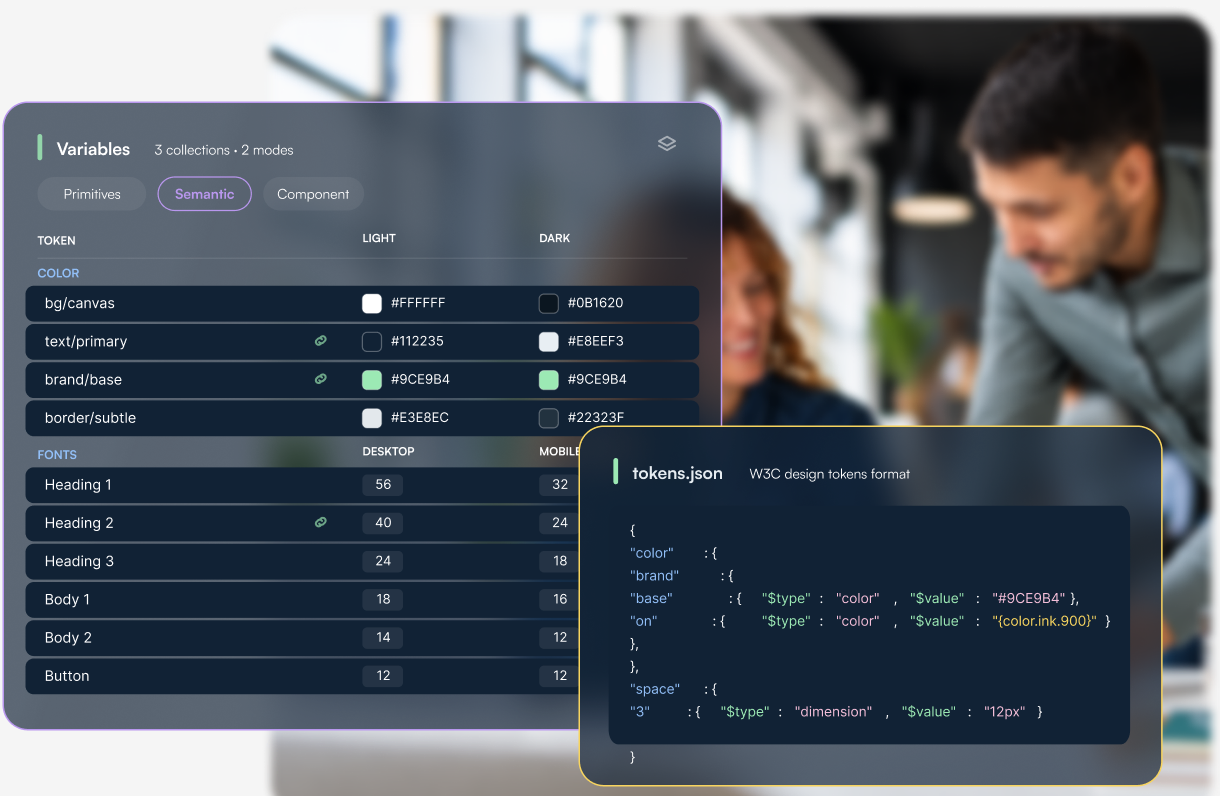
Design tokens
Define every color, type size, spacing unit, radius, shadow and motion value once, as a named variable, so nothing in your system runs on a hardcoded value.
Before
- Hardcoded values scattered across dozens of files
With Productive Shop
- One named variable, updated once, applied everywhere

Your marketing needs don’t stop at components
Our insights into design for SaaS brands
-
March 24, 2023 30 min read
Good website navigation design: how to lead the user to the purchase
-
January 24, 2025 12 min read
7 best practices for CTA button design in Figma
-
September 9, 2022 15 min read
10 design principles all web teams should follow
-
August 9, 2022 12 min read
An introduction to designing a website on Figma



Your design system starts here
Productive Shop’s design system services cover every layer, from tokens to documentation. Talk to us. We’ll show you real examples of pages that launch faster and stay consistent.
Frequently asked questions
A design system is a single set of reusable components, tokens, atoms, molecules, organisms and templates, built once and shared across every page and product team. Colors, type, spacing and other tokens define the values; atoms and molecules assemble them into buttons, forms and cards; templates turn those into ready-to-launch pages. Documentation and motion principles complete it.
Every design team, in-house or outside, then builds new pages from the same reference, documented in a brand book, instead of guessing colors and spacing project by project.
To build a design system, work through each layer in order: tokens first, then everything that depends on them.
- Audit and build order: Audit your current UI to catch every inconsistency, then lock the build order: tokens, atoms, molecules, organisms and templates.
- Design tokens: Getting spacing right starts with the padding-vs-margin fundamentals every reusable component depends on.
- Atoms and molecules: Build every button, input, label and icon in every state, default, hover, focus, active, disabled and error, then group them into reusable molecules.
- Organisms and templates: Assemble complete page sections like headers, navigation and pricing tables, then turn them into ready-to-launch templates stress-tested with real content.
- Motion and documentation: Set consistent durations, easing curves and transition rules, then document usage rules and do-and-don’t examples for every component.
- Component testing: Check every template at the component level for accessibility and responsiveness before handing the system to your team.
Instead of building a design system from scratch, partner with a team that’s done it before. In-house designers usually squeeze this in around everyday feature work, and tokens, components and documentation are the first things to drift once that push slows down. Productive Shop handles every layer in the right order, then keeps it maintained as you launch new pages.
Learn the difference between agency, in-house and freelance writers.
Design system implementation cost depends on how much of your system already exists and how many components need defining. A SaaS product with a handful of core components costs less than an enterprise platform with dozens of page types, multiple brands or many component states to cover.
Productive Shop sizes each project individually, based on your current UI and product roadmap, and shares an estimate before work starts. Talk to us for a number based on your product specifically.
Governance means keeping a design system consistent after the agency leaves. That takes documentation your team can actually follow: usage rules, do-and-don’t examples, naming conventions and accessibility notes for every component.
When you partner with Productive Shop, you get a partner that also trains your team directly, with recorded video walkthroughs alongside the written docs, and tests every template at the component level before handoff. Ownership then transfers cleanly, without your team needing to reverse-engineer the system on their own.
The best agencies for SaaS design systems and components show a real design system already running in production, beyond a portfolio of Figma files. Productive Shop builds every layer, from tokens through documentation, and tests each template at the component level before handoff.
Look for that same proof on any agency you consider:
- Components used across real pages
- Documentation that a client team still follows
- System that hasn’t drifted since handoff
See how Productive Shop builds design systems that real SaaS teams actually use. Explore our case studies.
Top agencies for B2B design system governance combine a system built to survive without the agency and training that actually transfers ownership. That means full documentation, clear usage guidelines for every component, recorded video walkthroughs alongside the written docs and component-level testing before handoff.
Productive Shop builds governance into the project from day one. Documentation, guidelines, video walkthroughs and testing are part of the scope from the start. Your team gets a system it can run on its own.